Industry news
How to Measure Nitrate in Water
Writer: admin Time:2026-05-08 11:10:30 Browse:572℃
Nitrate is a common water contaminant. It often comes from agricultural runoff and industrial processes. High nitrate levels in water can pose health risks. Measuring nitrate in water is crucial. It ensures safe drinking water and maintains ecological balance in aquatic environments. Traditional methods for nitrate measurement include colorimetric tests and ion-selective electrodes. Spectrophotometry is another common technique. Nitrate sensors, including online nitrate sensors, offer real-time monitoring. They are essential for continuous water quality assessments.
Choosing the right method depends on accuracy, cost, and ease of use. Each method has its advantages and limitations. Understanding nitrate measurement helps in effective water management. It also aids in pollution control and policy decisions.
Understanding Nitrate in Water
Nitrate is a form of nitrogen found naturally in the environment. It usually comes from soil, water, and air.
Human activities like agriculture can increase nitrate levels. Fertilizers and waste contribute significantly to this rise.
High nitrate presence in water can harm ecosystems. Aquatic life can be affected by these changes in balance.
Here's what you need to know about nitrates:
- Occur naturally and from human activities
- Affect water chemistry and ecosystem health
- Can be found in drinking water
Monitoring these levels helps ensure safe water. It protects aquatic environments and public health.
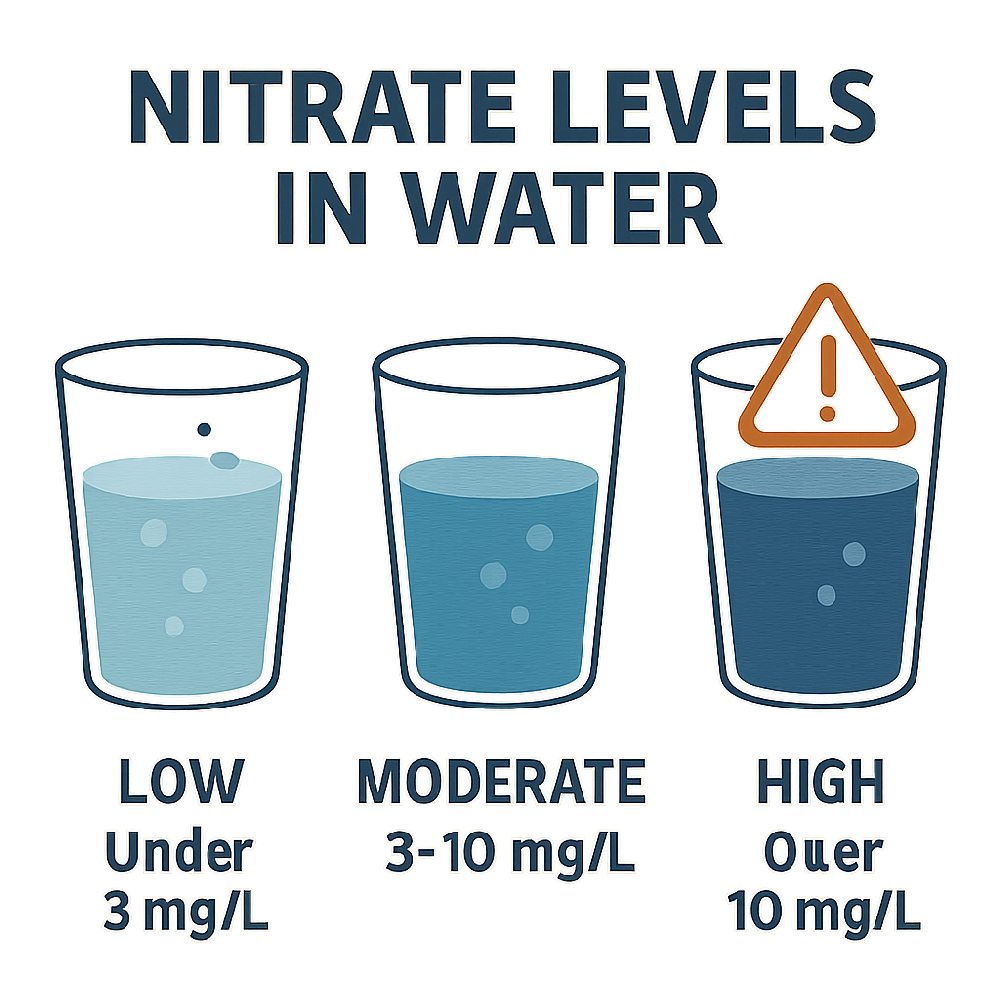
Nitrate in water is crucial to study. It helps maintain a healthy balance in nature. Reducing nitrate contamination involves proper management strategies. Keeping ecosystems healthy is a collective responsibility. Education and awareness are vital.
Why Measure Water Nitrate Levels?
Measuring water nitrate levels is crucial for several reasons. It helps ensure safe drinking water for communities. Health can be impacted by high nitrate levels.
Excessive nitrates can lead to environmental problems. Water bodies may suffer from algal blooms or oxygen depletion.
Understanding water nitrate levels aids in source identification. This knowledge allows for effective management and regulation.
Here's why monitoring is important:
- Ensures safe drinking water
- Protects aquatic life
- Identifies pollution sources
Appropriate measurement helps tackle pollution more efficiently. Regulatory bodies rely on accurate data for decision-making. Public awareness also plays a vital role in addressing nitrate issues.
Sources of Nitrate Contamination
Nitrates enter water systems from various sources. Understanding these can aid in managing and reducing contamination.
Agricultural runoff is a major contributor. Fertilizers used in farming leach nitrates into nearby streams and rivers.
Industrial processes also release nitrates. Wastewater from factories can elevate nitrate levels in water bodies.
Here's a breakdown of common sources:
- Agricultural runoff
- Industrial discharge
- Wastewater treatment plant

Nitrate contamination isn't limited to industries and agriculture. Urban runoff and sewage systems contribute as well. Identifying these sources is crucial for effective nitrate management.
Health and Environmental Impacts of Nitrate
Nitrates in water can have significant health effects, particularly for infants. The environment is also affected by nitrates. Excess nitrates in water bodies can lead to eutrophication. Eutrophication causes algal blooms, which deplete oxygen and harm aquatic life. This disrupts the balance of ecosystems and can result in fish kills.
Key impacts of nitrates include:
- Health risks like methemoglobinemia
- Environmental eutrophication
- Oxygen depletion in water bodies
Overview of Nitrate Measurement in Water
Measuring nitrate levels in water is essential for ensuring safety and environmental balance. Various techniques are available for accurate assessment.
Traditional methods include colorimetric tests, ion-selective electrodes, and spectrophotometry. These methods provide reliable results under proper conditions.
Modern technology introduces advanced sensors that offer real-time monitoring. These sensors improve accuracy and efficiency in water quality management. Understanding these methods helps in choosing the best approach for different applications.
Traditional Methods for Nitrate Measurement
Traditional methods for measuring nitrate levels in water provide proven results. These techniques are often reliable in controlled settings.
Three main traditional methods exist:
- Colorimetric tests
- Ion-selective electrodes (ISE)
- Spectrophotometry
Colorimetric Methods
Colorimetric methods for nitrate measurement involve a simple yet effective process. A chemical reaction with the nitrate produces a color change.
The intensity of the resulting color indicates the nitrate concentration. This method is user-friendly and often requires minimal equipment.
It is widely used in both field and laboratory settings. It is particularly suited for situations where quick assessments are needed.
Advantages of colorimetric methods include:
- Simplicity of procedure
- Low cost of materials
- Quick results
However, these methods may face challenges with interference from other substances. Careful calibration can help maintain accuracy.
Ion-Selective Electrode (ISE) Methods
ISE methods provide direct and specific nitrate measurements. They employ a membrane that selectively interacts with nitrate ions.
This interaction generates an electrical potential proportional to the nitrate concentration. ISEs offer precision and reliability in various conditions.
ISE methods require specialized electrodes and calibration for accuracy. They are commonly used in both laboratory and field settings.
Key features of ISE methods include:
- High specificity for nitrate ions
- Robustness in diverse environments
- Relatively quick response time
One challenge is potential interference from similar ions. Recent improvements aim to mitigate these issues for clearer measurements.
Spectrophotometric Methods
Spectrophotometry measures nitrate levels by analyzing light absorption. A sample is exposed to light at specific wavelengths.
The intensity of light absorbed reveals the nitrate concentration. Spectrophotometric methods are known for their high accuracy.
These methods require controlled environments and specialized equipment. They are ideal for precise, quantitative analysis.
Notable aspects of spectrophotometry include:
- High sensitivity to nitrate levels
- Ability to handle multiple samples
- Broad applicability across research needs
Challenges include the need for sample preparation and potential interferences. Advanced spectrophotometers help address these issues.
Modern Nitrate Sensors and Online Nitrate Sensors
Modern nitrate sensors have revolutionized how we measure water nitrate levels. They offer real-time data, essential for dynamic water quality monitoring.
These sensors use advanced technology to detect nitrate concentrations with high precision. Their portability and ease of integration into systems enhance their practicality.
Online nitrate sensors allow continuous monitoring in various water bodies. They support environmental management through automated data collection.
Key benefits of modern nitrate sensors include:
- Real-time data provision
- High precision and reliability
- Remote access to measurements
The integration of these sensors with networks ensures prompt responses to nitrate fluctuations. They are instrumental in resource management and pollution control.
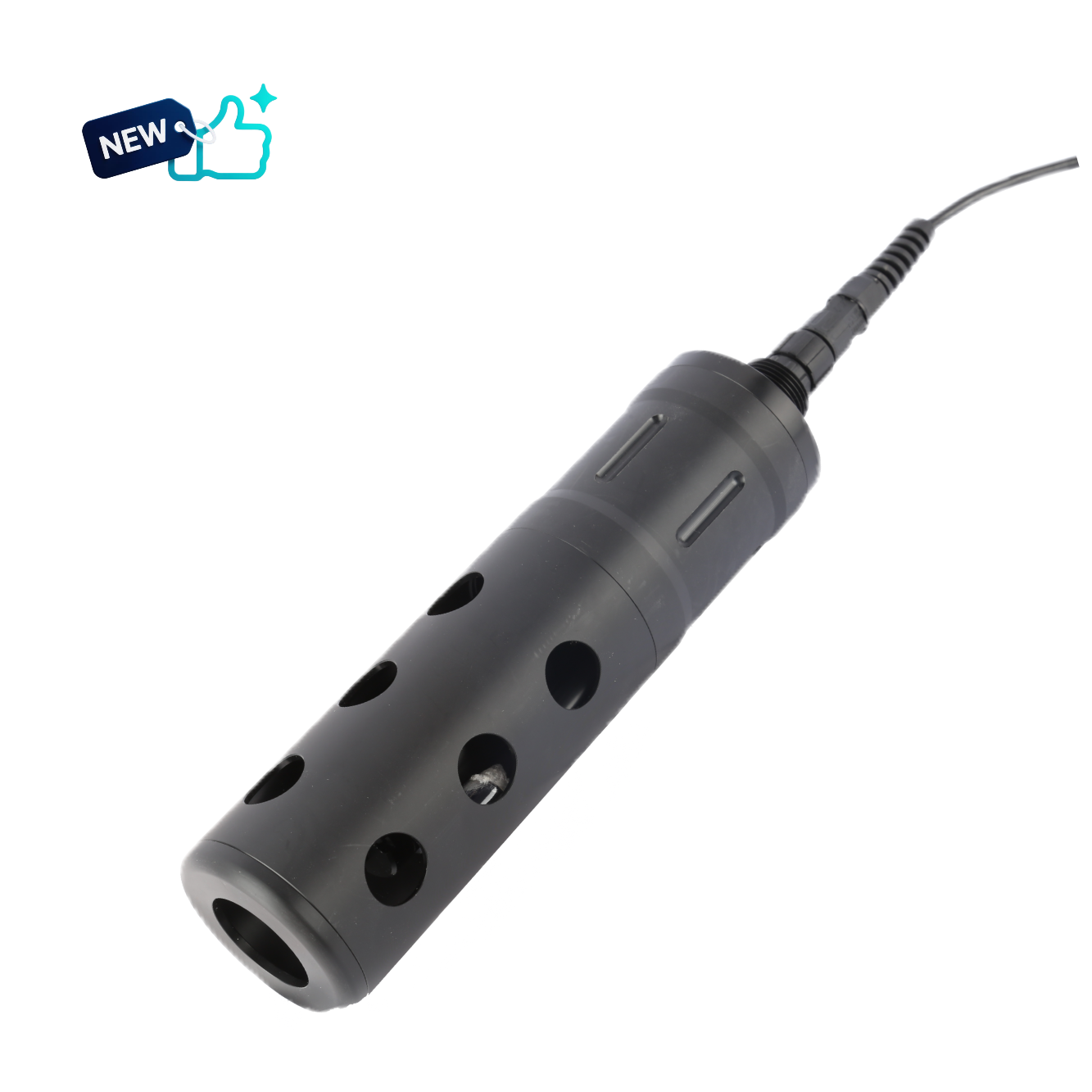
Y563-A Nitrate Sensor with Self-cleaning Brush-Yosemite Technologies Co., Ltd_UV254 COD, ODO,pH
Advantages of Online Nitrate Sensors
Online nitrate sensors offer distinct benefits for continuous water monitoring. They enable remote, real-time tracking of water quality.
These sensors can alert authorities to nitrate changes immediately. This facilitates quick intervention to address contamination.
Advantages of online nitrate sensors include:
- Continuous data collection
- Timely detection of anomalies
- Reduced need for manual sampling
These sensors are vital for maintaining compliance with water quality standards. They also support proactive environmental management.
Conclusion
Measuring nitrate levels in water is essential for public health and ecological balance. Understanding the methods available helps ensure effective water quality monitoring. From traditional techniques to advanced sensors, tools are evolving.
Regular monitoring aids in detecting pollution sources. It supports the implementation of effective water management strategies. Staying informed about measurement techniques and regulatory standards is crucial.
FEATURED PRODUCTS
CATEGORIES
CONTACT US
Yosemitech Technologies Co., Ltd
 +86 19984844080
 sales@yosemitech.com
 Bldg,25,CECEP Industrial Park, No. 18 Dongchang Rd. Suzhou Industrial Park, Jiangsu Province,China 215126, China